Aluminum CNC Machining for Custom Metal Parts
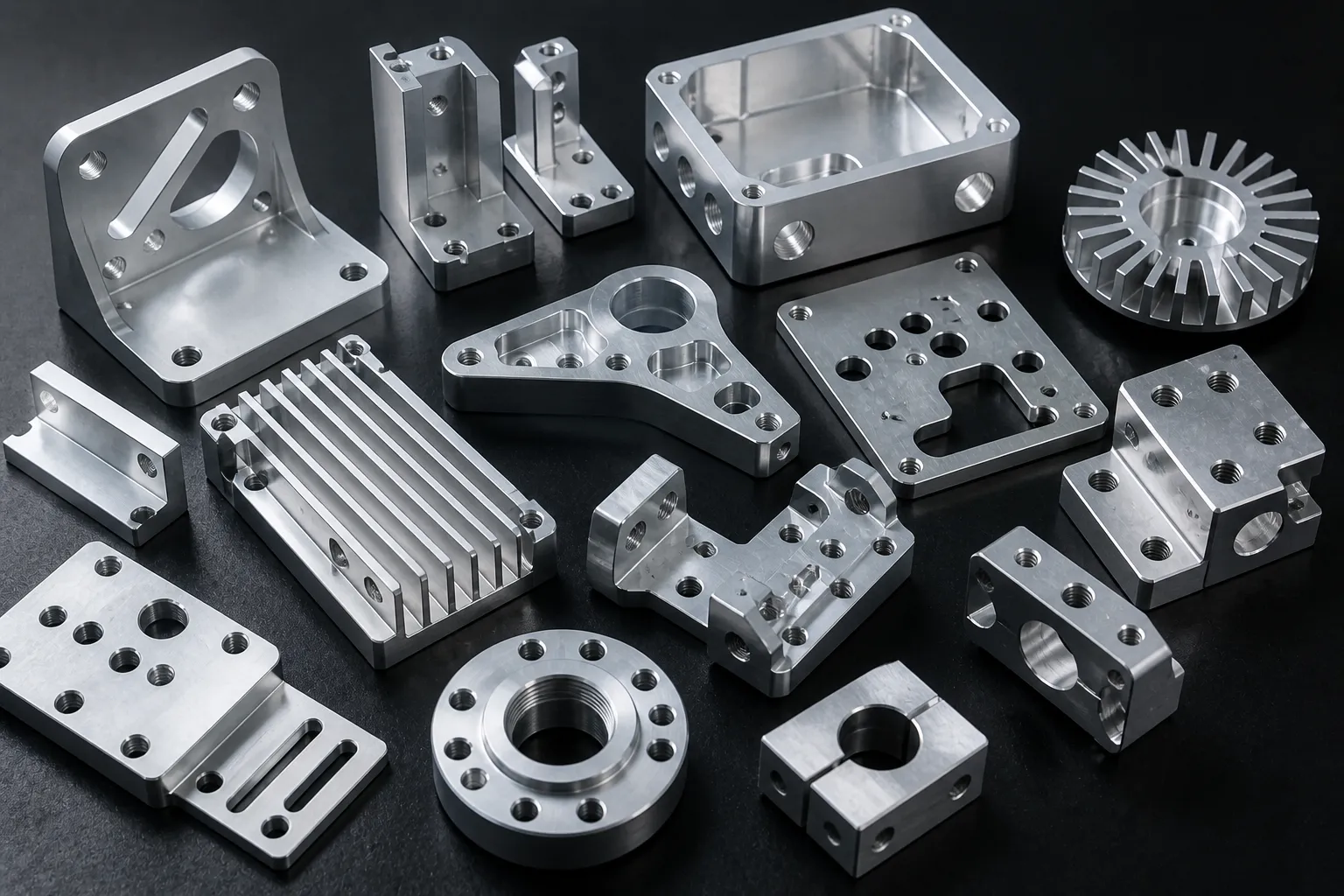
Aluminum CNC machining supports custom brackets, housings, fixtures, mounting plates, prototypes, and small-batch precision components where weight, machinability, surface finish, and dimensional stability matter.
Why Aluminum Is Widely Used in CNC Machining
Aluminum is widely selected for CNC machining because it offers a strong balance of lightweight strength, efficient machining performance, corrosion resistance, finishing flexibility, and practical production cost.
01
Lightweight Strength
Aluminum helps reduce part weight while maintaining practical mechanical performance for brackets, housings, mounting plates, and structural components.
02
Good Machinability
Aluminum can be machined efficiently, supporting clean edges, stable dimensions, and shorter production cycles for prototype and small-batch parts.
03
Surface Finish Options
Anodizing, bead blasting, brushing, polishing, and other finishing methods can improve appearance, corrosion resistance, and durability.
When Aluminum CNC Machining Is the Right Choice
Aluminum CNC machining is commonly selected when weight reduction, corrosion resistance, machining efficiency, and clean surface finish are important. It is suitable for prototype development, structural parts, mechanical assemblies, and applications where stable dimensional control is required.
We support international buyers who require aluminum CNC machining services with clear communication, drawing review, material feedback, and practical production planning before machining begins.
01
Material Review Before Production
We review drawings, tolerance requirements, part function, surface finish expectations, and production quantity before recommending an aluminum grade.
Common Aluminum Grades for CNC Machining
Different aluminum grades are selected based on strength, machining behavior, corrosion resistance, surface finish, cost, and application environment. For many custom metal parts, 6061 and 7075 are among the most practical options.
Typical Aluminum CNC Machining Applications
Our aluminum CNC machining support is suitable for custom metal parts used in automotive, robotics, UAV, automation, machinery, product development, and industrial equipment projects.
01
Brackets & Mounts
Custom aluminum brackets, mounting plates, supports, and structural connection parts for mechanical assemblies.
02
Housings & Enclosures
Machined aluminum housings, covers, cases, and protective components for mechanical or electronic assemblies.
03
Fixtures & Tooling
Aluminum fixtures, positioning parts, test components, and production support tools for engineering use.
04
Prototype Parts
Functional aluminum samples for fitment testing, engineering review, design validation, and pre-production development.
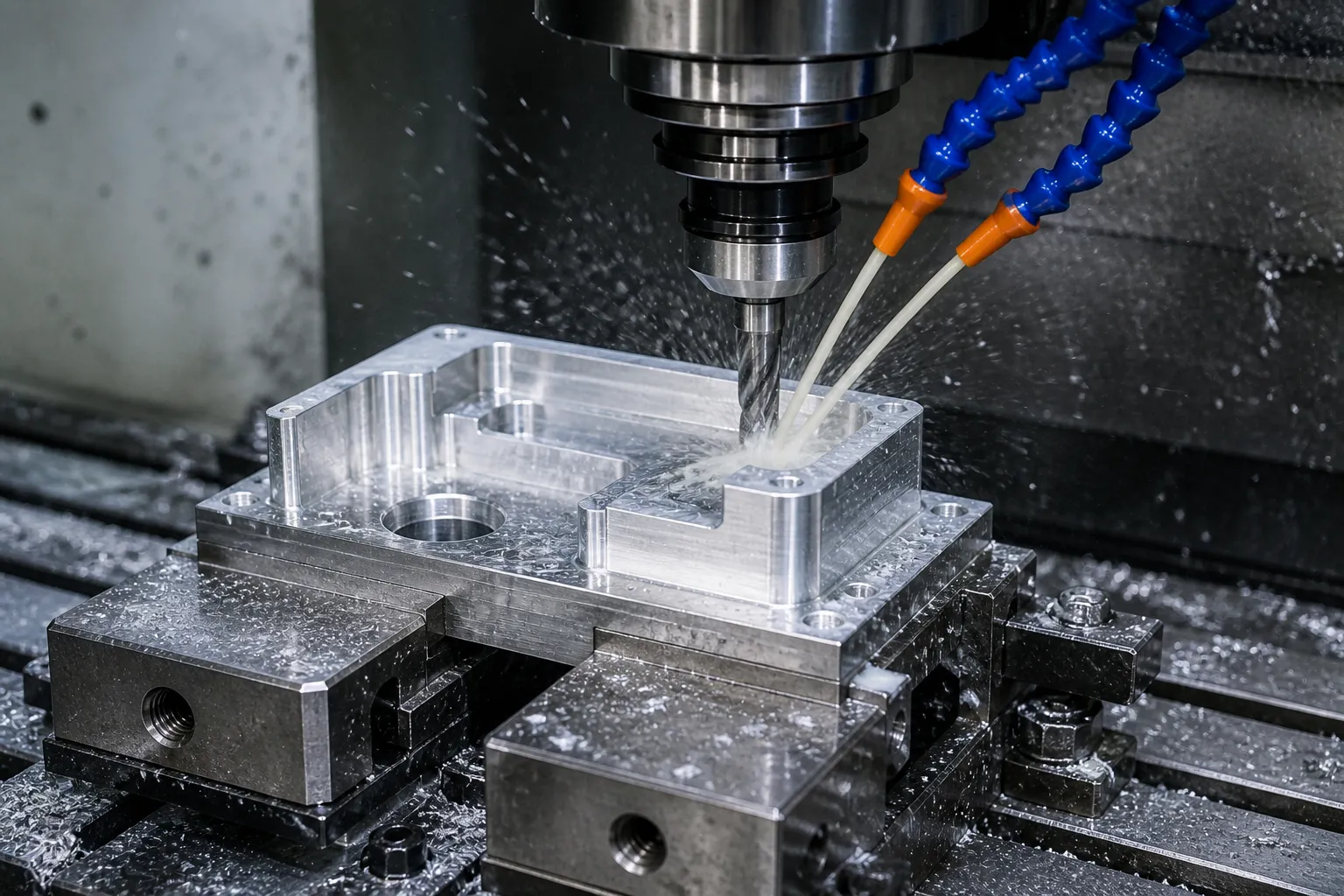
From Aluminum Material Choice to Finished Part
Before production, we review your drawing, quantity, tolerance expectations, surface finish requirements, and application use. This helps confirm whether the selected aluminum grade is suitable for machining, finishing, and long-term performance.
For prototype and small-batch production, early material review can reduce avoidable changes, improve part consistency, and make quotation details clearer before machining begins.
02
Drawing-Based Manufacturing Support
Send CAD files, 2D drawings, sample photos, material preferences, quantity, tolerance requirements, and finishing needs for review.
What to Confirm Before Aluminum CNC Machining
Aluminum parts can be simple or complex depending on geometry, wall thickness, tolerance requirements, surface finish, and assembly use. Confirming these details early helps reduce production risk.
01
Tolerance Requirements
Critical dimensions should be clearly marked so machining strategy and inspection needs can be reviewed before production.
02
Surface Finish
Anodizing, brushing, polishing, or bead blasting should be confirmed early because finishing affects appearance and final dimensions.
03
Production Quantity
Prototype and small-batch aluminum parts may require different machining plans compared with larger production runs.
Need Custom Aluminum CNC Parts?
Send your drawing, sample photo, material preference, quantity, tolerance requirements, and surface finish expectations. We will review the project and provide practical quotation feedback.